What's the Deal with the Suburbs?
Individualism and Alienation

First off, sorry about skipping last week! I started work properly and did not give myself time the days before to write something, and then ended up far too tired after my first day to get anything quick out. Fortunately, my work week and the Fourth of July gave me some solid ideas for this blog.
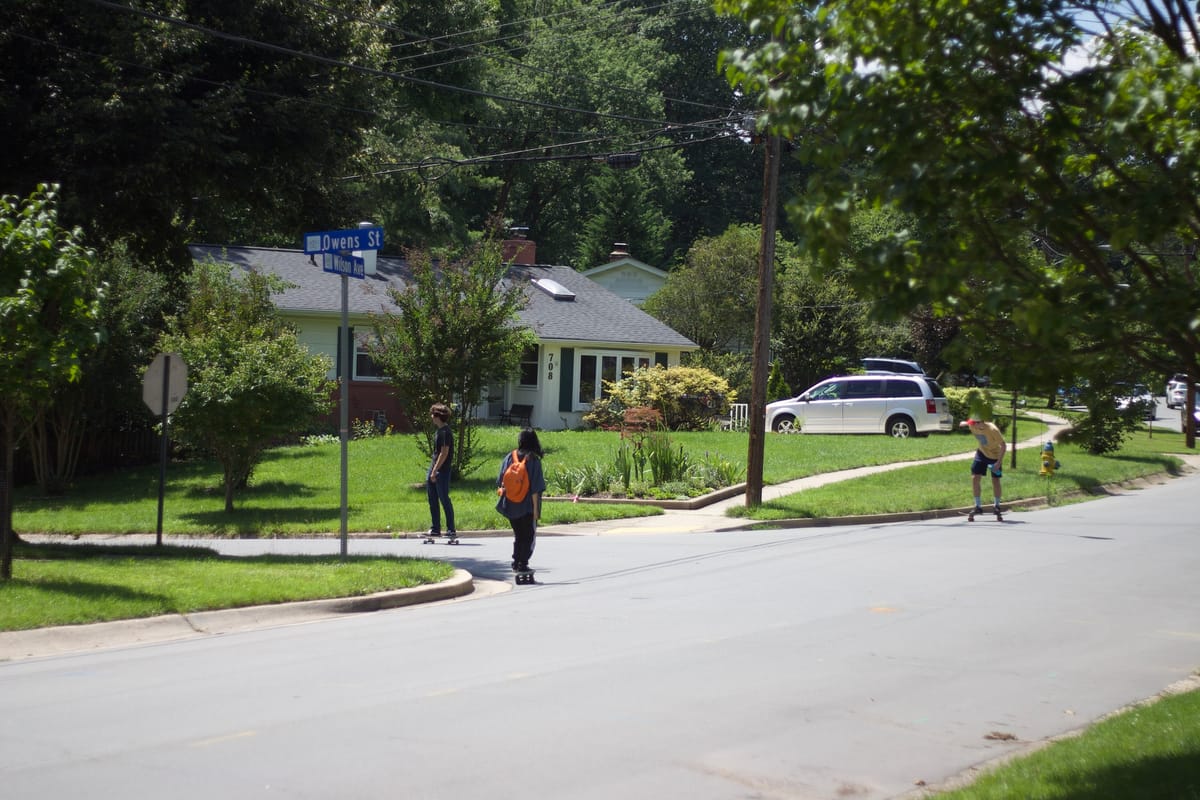
The mythological images of the suburbs frequently tap into the same myths as the American West, that of wide open spaces and infinite individual freedom (tied explicitly in both cases to property). The images of wide streets and pristine yards tie into the same individualist imagination that exalts the West, and in both cases, the realities are much uglier. The American west was never empty, and its unique place in the American story is not because of some characteristic that no other place on Earth has, but because of the utility of this myth in promoting the values which led to the extermination of indigenous peoples and the exploitation of natural resources. This is not to say that all mythological images of the American West are culprits in this project, as, like any other subject, any truly great work partaking in its conversation must at once present the aesthetic and critique it, as a critique without the robust understanding and depiction of its subject typically falls hollow. Speaking of the American West, Westerns as a genre are a fantastic example of this. There are very few Westerns that are worth seeking out that do not critique the myths. But back to the suburbs.
The images of the suburbs are frequently full of freedom and nostalgia, largely because many people grew up in them. The powerful and compelling intersections of memory and narrative that spin themselves around childhoods converge to elevate suburbia to a mythical status of an individualist mecca, something which it certainly is in a sense. What these images often mask is the constriction of connection which suburbs exert on their inhabitants, atomizing families into wholly separate worlds and annihilating the connections across these nuclear units that make up a healthy community. The harsh lines necessitated by the single-family home paradigm along with the values that property ownership fosters creates consistently horrible and necrotic realities. and i think we all kind of know suburbs suck ass. Even within the nostalgia and rose tints of stranger things or perks of being a wallflower there remain cores of horror and malfeasance. While few works adequately grapple with the contradictions of our imagery of suburbs and their reality, like any other subject, the greatest works both further the aesthetics while critiquing them and enriching their power, both literally and analytically.
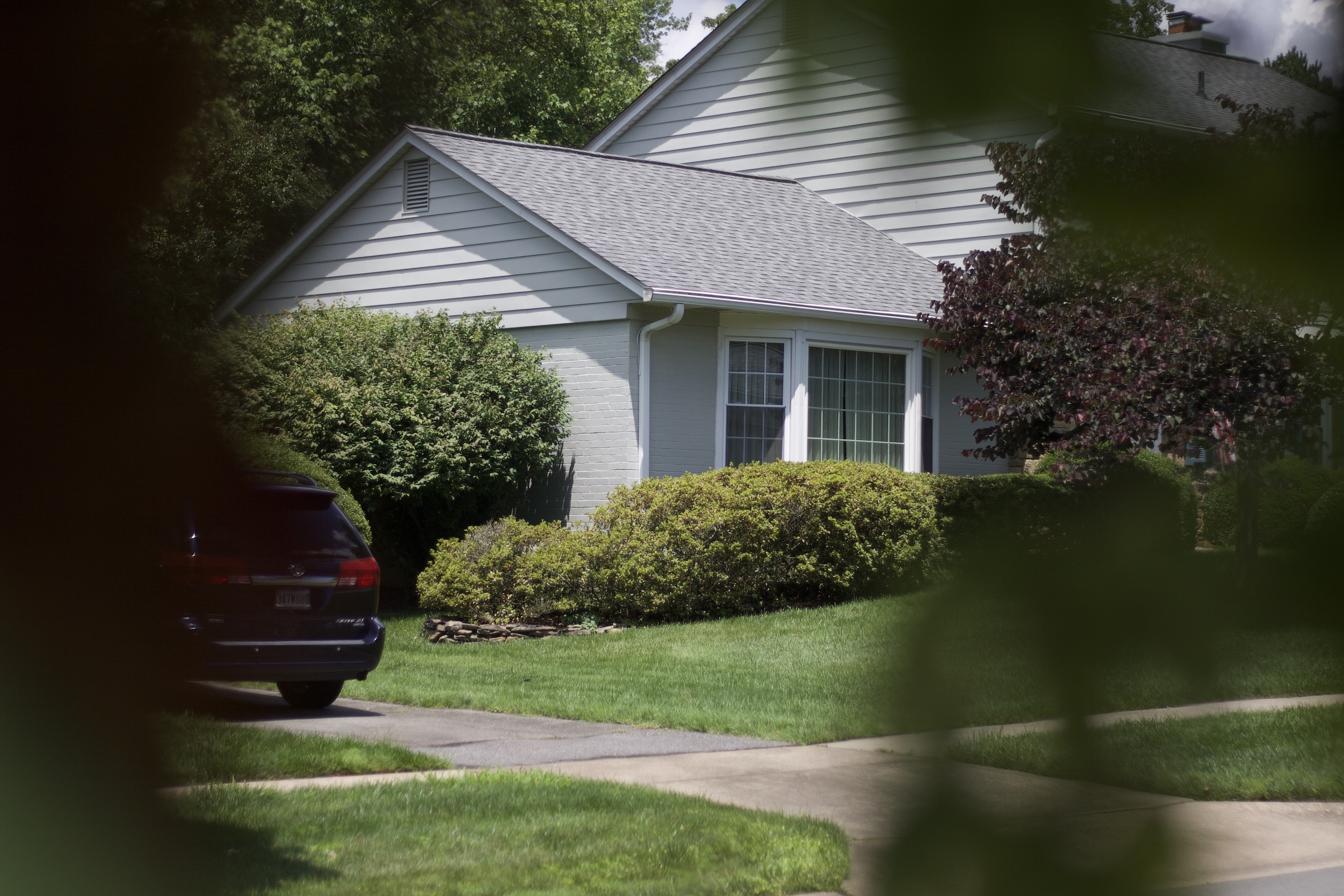
The greatest depictions of suburbs in art explore their contradictions. The deep compulsions of nostalgia and individual freedom contrasted with the atomizing and alienating realities of that individualism make for some great art when truly and fully explored. Arcade Fire’s The Suburbs is the premier example in my mind, but there are a handful of other truly phenomenal examples I have seen. Robert Adams’ photos of suburban sprawl and construction, the suburban sections in Resident Evil: Retribution, and the universal suburbia of the Halloween series’ Haddonfield, Illinois all tap into both the freedom and the constriction of the suburbs. Arcade Fire’s album is largely concerned with the alienation of the locale, alongside the knottiness of its inescapable nostalgic power for anyone who grew up in them. Robert Adams’ photos capture the nightmarish alienation of the suburbs better than anything else I’ve ever seen, specifically the tragedy that they write on the trees and landscapes they supplant. Resident Evil: Retribution sets some of its most chilling revelations in a suburb, tying alienation in the text of the film to the phenomenon that the suburbs enact (I’m refusing to specifically spoil it here both because this could be a longer and more in detail essay one day and because I want people to watch those movies without knowing this shit). The Haddonfield of Halloween and its sequels is one of lurking horror, with Michael Myers’ careful deployment making the streets and houses themselves as scary and dangerous as any serial killer could be. The structures of the films often come precariously close to echoing unreasonable paranoia about crime, yet the series consistently falls into either absolute nonsense (whether within a good film or one of the many absolute stinkers) or truly great and transcendent art (the Rob Zombie ones), dodging the real consequences of the irrationalism that modern true crime peddles.
I don’t have much more on this line of analysis. I’m rewatching the Mission: Impossible movies and stressing about scheduling things with my friends, so expect a blog next week about how Tom Cruise is my only real friend. Thank you for reading!