A Few Words on Shooting
Cameras and Contradictions
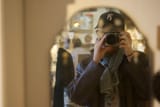

Every shutter takes a piece of your soul. The moment a camera goes off, that instant becomes nothing more than that photo, supplanting memories and rewriting reality to encompass only what exists within the bounds of the photograph. Similar to every other medium of art, photographs consistently convince their audiences that what is captured in the photo extends beyond the frame. While this is of course literally the case, it is easy to forget that by nature, we cannot know what exists past the borders of the photo. As with all art, much is necessarily excluded from the final project, inadvertently allowing falsities and misconceptions about the spaces behind and beyond the scene to propagate. It is important to remember that cameras lie in the same way everything else does.
The compulsions of art have much to do with the opportunities for sharing your perspectives and ideas with the world, and every medium contains ample opportunity for wonderfully knotty contradictions between exploitation and exaltation. This particular facet of art manifests in photography in myriad ways, from the immediate reaction landing somewhere between feeling seen or violated, with the location on that spectrum varying primarily due to who is taking the photograph. The biggest swings of this spectrum are of course from non-consensual photography to intimate and loving photography, in whatever forms both of those extremes take. Paparazzi photos are unwanted and exploitative, while the images that actors allow filmmakers to create of them are — in the ideal case — positively valuable and meaningful to them.This is a very small part of why the insidious pervasiveness of sexual exploitation in Hollywood is so rage-inducing. Art, in its ideal form, should be about allowing every person involved to be seen and heard, to contribute their own vision or their handiwork to someone else’s vision, allowing those not involved in the project to gain a glimpse into the minds of those behind it. When exploitative practices, whether sexual or otherwise, enter art spaces, it violates every element of what art should be, forcing audiences to grapple with questions that should, ideally, never need to be asked.
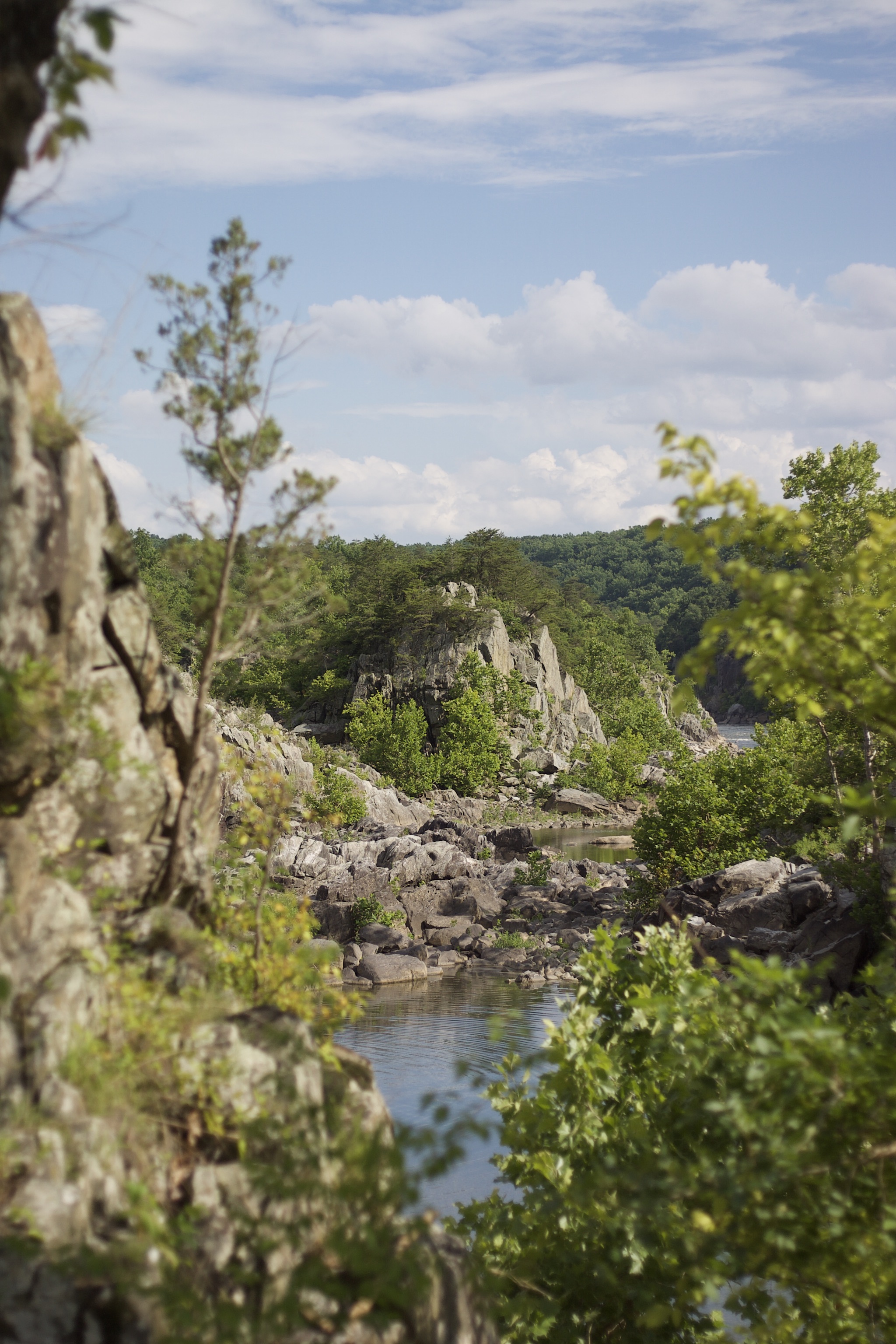
Many of my favorite movies cover exactly the ground I feel that I am failing to cover in this blog. From Bergman’s Persona, where Liv Ullmann’s character photographs the audience itself; to Spielberg’s The Fabelmans, where the protagonist imagines himself filming a life-changing and traumatic family event; to Peele’s Nope, where the act of looking is suicidal yet necessary to survive. The Blair Witch Project and other found footage horror movies provide some of the richest material for my ideas about cameras and the choices contained within, and I do hope one day to pull together a cohesive enough angle of analysis to write something long-form conveying how movies like The Fourth Kind are some of the smartest that have ever been made. Not today though!